
Over the last decade, Colombia has quietly emerged as one of the most exciting cacao origins in the world. Long overshadowed by its coffee reputation, the country is now gaining international recognition for fine-flavor cacao distinguished by biodiversity, complex terroirs, and deeply rooted cultural knowledge. Today, Colombia stands at the forefront of a new cacao narrative—one defined by quality, identity, and excellence.

Hot chocolate, a dtradittional drink
Over the last decade, Colombia has quietly emerged as one of the most exciting cacao origins in the world. Long overshadowed by its coffee reputation, the country is now gaining international recognition for fine-flavor cacao distinguished by biodiversity, complex terroirs, and deeply rooted cultural knowledge. Today, Colombia stands at the forefront of a new cacao narrative—
one defined by quality, identity, and excellence.
Regions such as Arauca, Quindío, and the Sierra Nevada de Santa Marta illustrate the diversity behind this rise. In Arauca, cacao grows in the savannas and riverine landscapes of the eastern plains, producing profiles with soft acidity and pronounced nutty and floral notes.
In Quindío, where volcanic soils and Andean climates prevail, cacao benefits from careful agroforestry practices, yielding elegant and balanced beans. Meanwhile, in the Sierra Nevada, Indigenous communities cultivate cacao at the foothills of the world’s highest coastal mountain range, where spiritual traditions and environmental stewardship shape both cultivation and flavor.
This territorial richness has not gone unnoticed. Colombian cacao has received multiple international awards, including top honors at global competitions such as the International Cocoa Awards, placing the country firmly on the map of fine-flavor producers. These recognitions reflect not only sensory excellence but also improvements in post-harvest techniques, fermentation, and farmer-led innovation.
Beyond flavor, cacao has become a powerful tool for territorial transformation. In post-conflict and rural regions, it offers a sustainable economic alternative, strengthens local economies, and encourages long-term environmental conservation. Cacao cultivation fosters community resilience, reconnects landscapes to ancestral knowledge, and creates value chains rooted in dignity and craftsmanship.
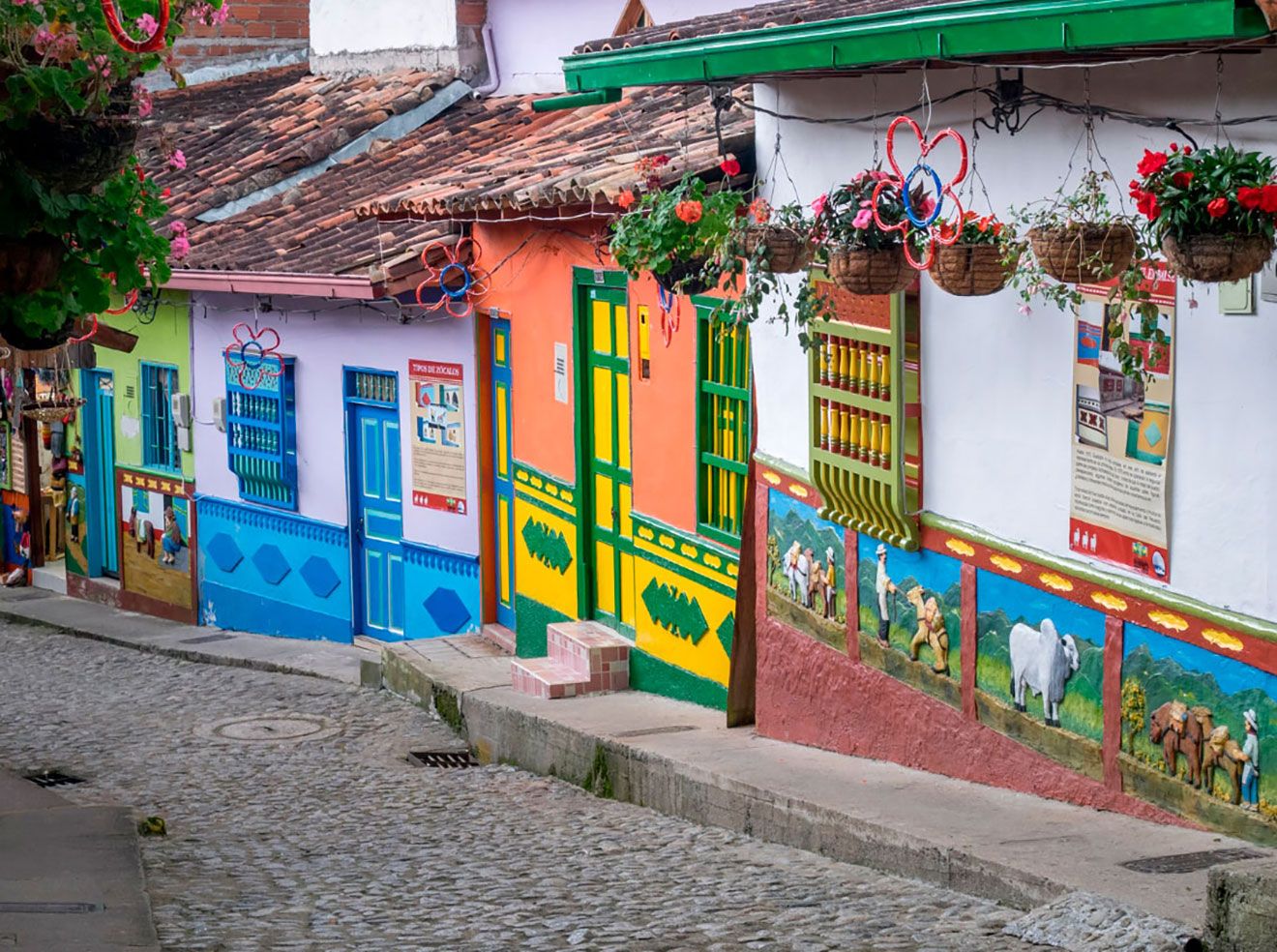
Hot chocolate, a dtradittional drink
Regions such as Arauca, Quindío, and the Sierra Nevada de Santa Marta illustrate the diversity behind this rise. In Arauca, cacao grows in the savannas and riverine landscapes of the eastern plains, producing profiles with soft acidity and pronounced nutty and floral notes.
In Quindío, where volcanic soils and Andean climates prevail, cacao benefits from careful agroforestry practices, yielding elegant and balanced beans. Meanwhile, in the Sierra Nevada,Indigenous communities cultivate cacao at the foothills of the world’s highest coastal mountain range, where spiritual traditions and environmental stewardship shape both cultivation and flavor.
This territorial richness has not gone unnoticed. Colombian cacao has received multiple international awards, including top honors at global competitions such as the International Cocoa Awards, placing the country firmly on the map of fine-flavor producers. These recognitions reflect not only sensory excellence but also improvements in post-harvest techniques, fermentation, and farmer-led innovation.
